


MapleStory Classic World Gear Tips | U4GM Guide
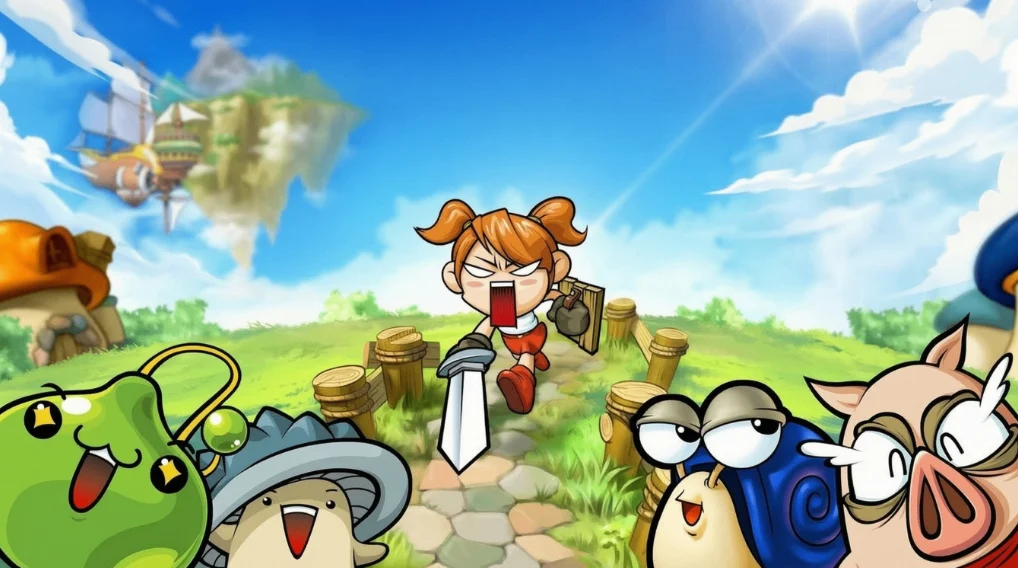
The early stages of MapleStory Classic World are built around steady progress rather than instant rewards. Every trip to a training map, completed quest, and equipment upgrade contributes to a character’s development, while careful spending can make the journey noticeably smoother. MapleStory Classic World Mesos are important because they connect these activities to practical decisions, from purchasing useful supplies to preparing for stronger monsters. Instead of treating currency as something to collect without a plan, players can approach it as a resource that supports their preferred pace, whether they enjoy completing quests, exploring familiar locations, or spending more time fighting monsters.
One of the most satisfying aspects of Classic World is the way character growth develops through small, meaningful improvements. A new weapon can make familiar monsters easier to defeat, while a modest equipment upgrade may reduce the time spent recovering between fights. These changes become particularly noticeable when a character is still developing its core skills. Rather than chasing every available upgrade, it is often more effective to identify the weakness that currently slows progress. A character struggling to deal consistent damage may benefit more from a suitable weapon than from an expensive accessory, while a player who frequently runs out of health or mana may need to budget for supplies before investing in equipment.
Questing provides a useful foundation for this process. Early quests introduce locations, characters, monsters, and the general rhythm of the game, while also rewarding players with experience, items, and sometimes currency. Completing several quests in the same area can be more efficient than repeatedly traveling between distant locations for small individual rewards. Before leaving a town, it helps to check the available tasks and consider whether multiple objectives can be completed during one trip. A quest that appears unremarkable on its own may become worthwhile when its route overlaps with normal training or when its reward helps cover the cost of future supplies.
Monster hunting offers another practical way to build resources. The best training location is not necessarily the map with the highest-level monsters or the most impressive reputation. Combat speed, accuracy, incoming damage, travel time, and the value of collected drops all influence the overall result. Defeating weaker enemies consistently may produce a better experience and resource balance than struggling against tougher opponents. Players should also pay attention to the equipment and miscellaneous items accumulating in their inventories. Items that have no immediate purpose can often be sold to shopkeepers, turning ordinary training sessions into opportunities to replenish spending money. However, not every drop should be discarded. Quest objects, crafting materials, and equipment with potential value to other players deserve a closer look before being sold.
Inventory management becomes increasingly important as characters spend more time away from town. An overloaded inventory can interrupt a productive training session, while carrying unnecessary equipment makes it harder to collect useful drops. A simple routine helps prevent these problems: review the inventory before leaving town, bring the supplies required for the planned session, and return when the value of collected items or the need for replenishment makes another trip worthwhile. This approach also reduces impulsive purchases because players have a clearer idea of which resources they actually consume.
Choosing a job is another decision that influences how a character spends its resources. Different jobs have distinct combat patterns, skill requirements, and equipment priorities. A character that relies on frequent skill use may need to account for mana consumption, while another may focus more heavily on weapon upgrades and physical damage. There is no universal spending plan that suits every class. Players should observe their own combat habits and use that information to decide where the next investment will have the greatest impact. Saving for an important upgrade can be more useful than repeatedly purchasing small improvements that become obsolete after only a few levels.
The player-driven economy adds another dimension to resource management. The Free Market allows players to browse shops, compare asking prices, and negotiate trades directly rather than relying on a modern auction-house system. This makes market awareness valuable even for beginners. An item that has little use for one character may be desirable to another, particularly when it supports a specific build or crafting plan. Before making a purchase, compare the item’s benefits with its cost and consider whether a similar piece of equipment can be obtained through questing or regular hunting. Sellers should also remember that listing an item at a high price does not guarantee that another player will buy it. Reasonable pricing and patience are often more practical than expecting every drop to become a major source of income.
Crafting can also influence long-term planning. Gathering materials while exploring or defeating monsters may help players prepare for recipes without purchasing every ingredient from someone else. The trade-off is time: collecting materials, learning a profession, and organizing inventory all require attention. Crafting is most useful when its results support an actual goal, such as preparing equipment or making better use of items already collected. Players who enjoy gathering and experimenting may find this system rewarding, while those who prefer direct combat can concentrate on hunting, quests, and selective trading.
For players who want to reduce the time spent building a starting budget, U4GM is an option to review alongside ordinary in-game methods. Its MapleStory Classic World currency listings provide another point of comparison when evaluating prices, convenience, and available purchasing options. It is sensible to check the current listing details, transaction conditions, and relevant game rules before deciding whether an external purchase suits an account. Regardless of the approach, spending should remain tied to a clear purpose: obtaining a useful upgrade, preparing for a new training area, or reducing a specific bottleneck in character development. With that mindset, buy MapleStory Global Mesos can be considered as a separate search for players researching the broader MapleStory ecosystem, while anyone progressing in Classic World should first confirm that the currency and service they are considering match the correct game version.
- Career Advice
- Student Life
- Technology & AI
- Programming
- Entrepreneurship
- Digital Marketing
- Personal Branding
- Creator Economy
- Finance & Investing
- Formazione
- Design & Creativity
- Fashion & Lifestyle
- Health & Wellness
- Campus News
- Industry Insights
- Success Stories
- Events & Communities
- Opinion & Editorial
- Research & Innovation
- Altre informazioni
 Italiano
 English
 Arabic
 French
 Spanish
 Portuguese
 Deutsch
 Turkish
 Dutch
 Russian
 Romaian
 Portuguese (Brazil)
 Greek